
Father's Day as both son and supporter

Father’s Day often brings to mind familiar images: family gatherings, thoughtful gifts, and the opportunity to celebrate the fathers and father figures who have shaped our lives. But for many of us, the relationship with our dad evolves over time, especially when caring responsibilities begin to emerge.
For Neal, one of the Mobilise team, supporting his father means balancing two roles at once: remaining a son while also helping manage aspects of his father's life. Although he describes himself as having a “light-touch” caring role, the experience has undoubtedly changed their relationship.
Neal’s support involves managing finances, arranging medical appointments, and liaising with social services. These are responsibilities that many of us gradually take on as our parents age. Yet stepping into these roles can be challenging, particularly when our parent has spent a lifetime valuing their independence.
“My dad is a fiercely independent chap,” Neal explains. “Naturally, he resents any kind of help and support.”
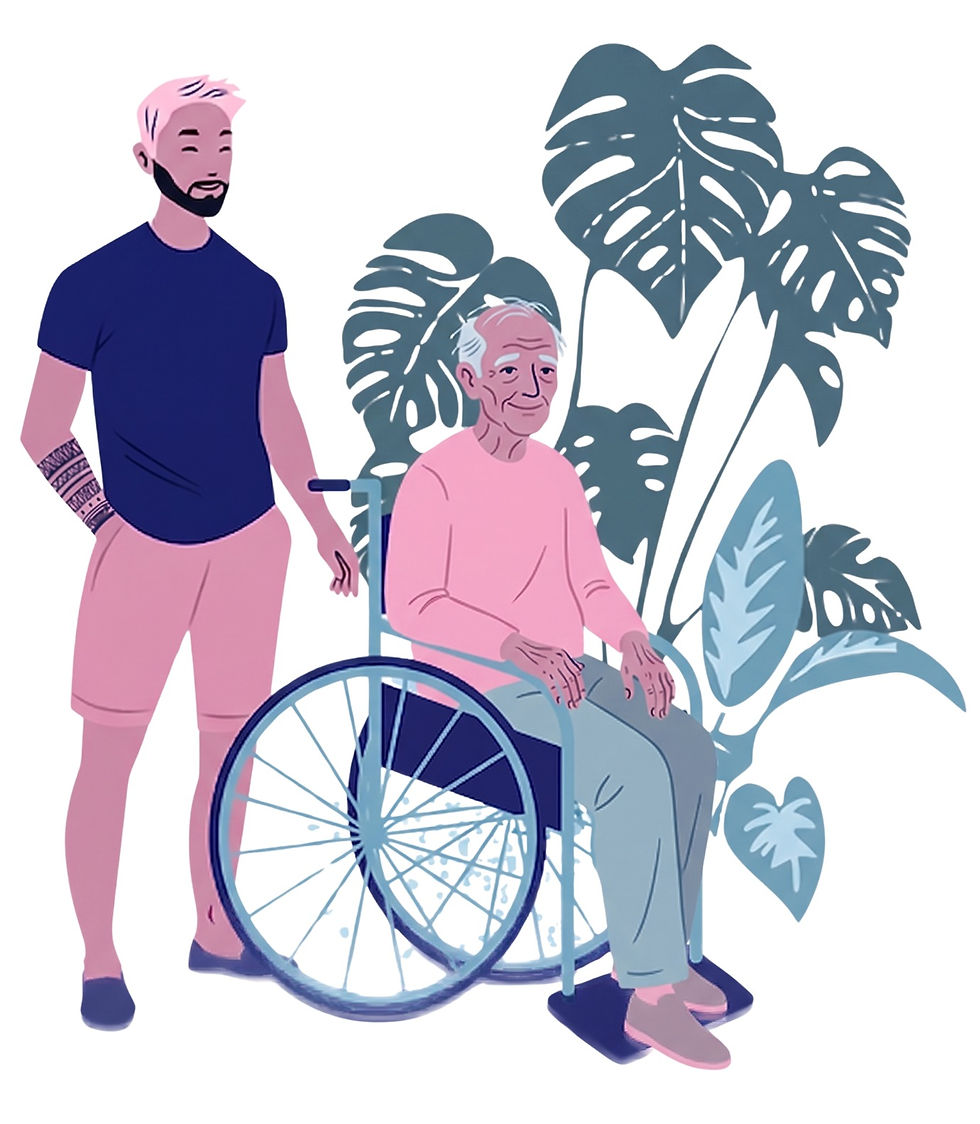
That tension will be familiar to many of us. Accepting support can feel like surrendering control, and for older people facing changes in health or memory, the loss of independence can be especially difficult.
Rather than allowing practical responsibilities to dominate their relationship, Neal tries to handle as much of the administration as possible behind the scenes. This means that when they spend time together, they can focus on being father and son rather than carer and cared-for, “usually in the pub!”
Seeing change, not a new person
People often ask whether caring for a parent reveals a side of them they had never seen before. In this case, the answer is more nuanced. Neal said:
“I think I’d seen all sides of him up to this point.”
What has changed, however, is the impact of ageing and declining memory. As his father’s mental capacity diminishes, emotions can become more unpredictable. Combined with the frustration and confusion that often accompany a loss of independence, this can sometimes bring difficult moments:
“We see more of the unpleasant sides to him than we used to when I was growing up.”
Importantly, Neal says he approaches these changes with empathy rather than judgement. He recognises that the behaviour is not intentional but a reflection of the challenges his father is facing:
“It’s not his fault. It’s a difficult and confusing situation for him.”
That perspective is vital for so many of us who care for a family member. Understanding the reasons behind their behaviour can make it easier to respond with patience and compassion, even during challenging times.
Learning what you can and can’t control
We asked Neal what advice he would give someone supporting their father for the first time, and his answer was simple:
“Only try to influence what you can.”
Like many of us, he initially found himself worrying about the choices his father continued to make. There were habits he wished he would change and lifestyle decisions that might improve his health. But over time, he realised there are limits to how much influence anyone can have:
“There’s a million things I would like my dad to do to improve his health, like stopping smoking. I also know there’s not a cat in hell’s chance that is ever going to happen.”
It was a lesson that took time to learn. Rather than becoming frustrated by things outside his control, Neal has focused on supporting his father’s right to make his own decisions:
“As a son, as his ‘light-touch’ carer, I think my role is to help him live the life he wants to lead.”
That philosophy reflects an important principle in care: supporting a person’s autonomy whenever possible. Even when family members disagree with certain choices, preserving dignity and independence often matters just as much as managing risk:
“It’s his life and he’s leading it the way he wants to.”
What Father’s Day means now
Father’s Day has taken on a deeper meaning over the years. Not only is Neal celebrating his own father, but he is also a father himself. That dual perspective has made the day into something more reflective:
“It’s as much about spending time with my own children as it is seeing my dad.”
It is also an opportunity to think about the decisions he makes on his father’s behalf and whether they truly reflect his father’s wishes and best interests. Looking ahead, he finds himself considering what he might want from his own children one day:
“When I’m in my 70s and 80s, I hope my kids will do the same for me.”
There is one caveat, however:
“Hopefully I’ll be less stubborn. No promises on that though!”


